October 7, 2026
What to Know Before You Order a Custom 3D Print
Planning a custom 3D print? Here's what to tell your printer, from measurements and photos to materials, finish, and pricing, so you get a better part and a faster quote.
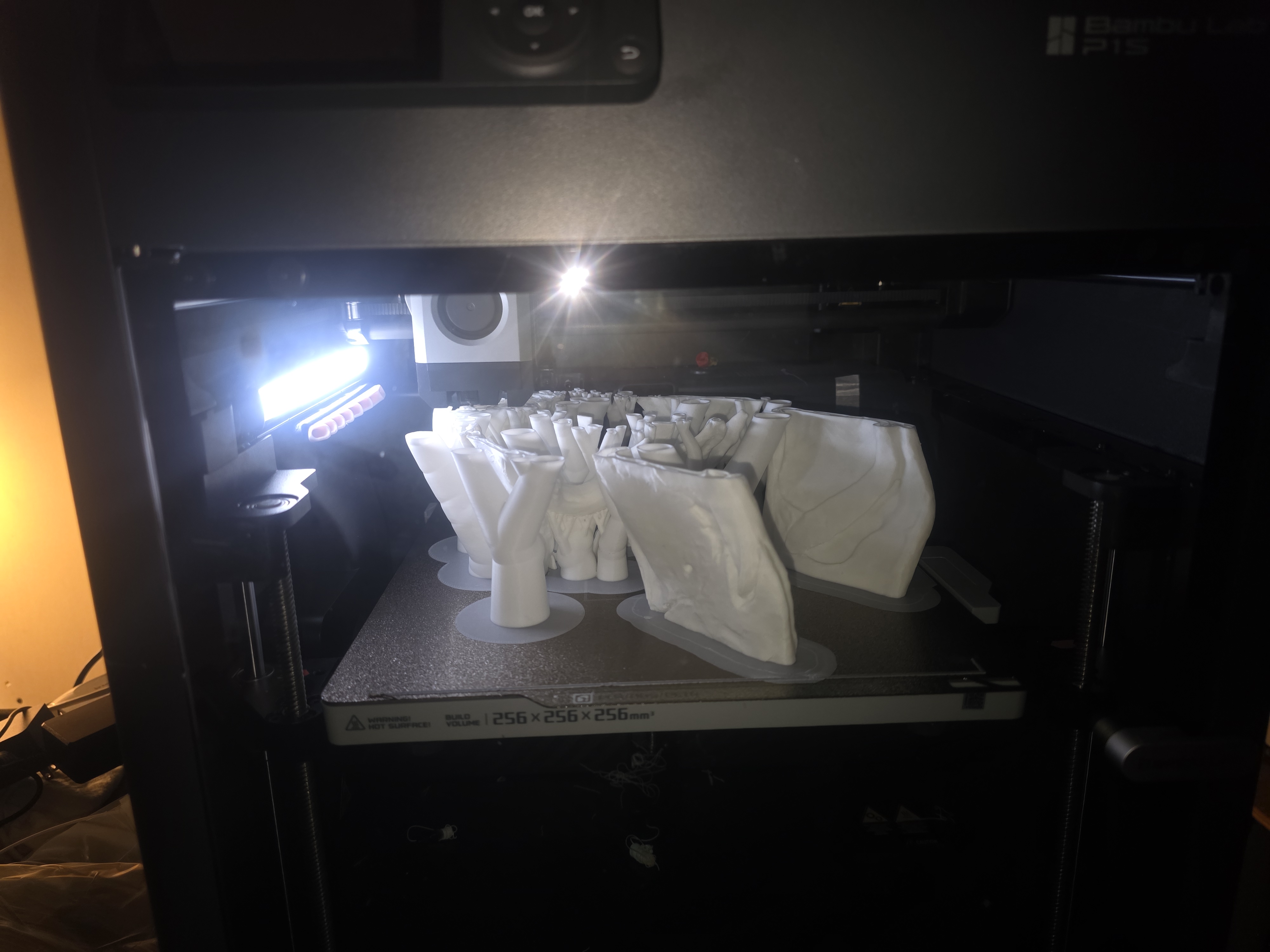
You have an idea for a part, a gift, or a replacement for something that broke, and you know 3D printing can make it. The hard part is knowing what to tell the person printing it. A few minutes of prep before you reach out gets you a better print, a more accurate quote, and fewer back-and-forth messages. Here's what we look for at Emerald Layer when a new project comes in.
1. Start with what the part needs to do
The single most useful thing you can tell a printer is how the piece will be used. A desk organizer and a bracket that holds weight under a truck dashboard can look similar, but they need very different settings.
Think through a few questions before you reach out:
- Will it hold weight, flex, or take impacts?
- Will it sit in direct sun, a hot car, or outdoors in the rain?
- Does it need to fit or snap onto something else?
- Is it mostly for looks, or mostly for function?
Even rough answers help. "It clips onto my fishing rod and gets wet a lot" tells us more than a perfect drawing with no context.
2. Gather measurements, photos, or files
You don't need a 3D model to get something printed. Any of these will get a project started:
- A 3D file (STL, 3MF, or STEP) if you already have one or found one online.
- Photos of the object, ideally with a ruler or tape measure in the shot.
- Measurements of the key dimensions, like length, width, height, and hole sizes.
- A sketch on paper with numbers written on it. Napkin drawings are welcome.
If you're replacing a broken part, send the broken pieces in photos from a few angles. For anything that has to fit snugly, measure twice. Calipers are best, but a good ruler works for most jobs.
One note on files from the internet: check the license. Many free designs are for personal use only, which is fine for a one-off print for yourself but not for reselling.
3. Let the use decide the material
Material matters as much as the design. A print that looks perfect on the bench can warp on a sunny dashboard or crack in the cold if it's made from the wrong plastic.
You don't need to know plastics to order. Tell us where the part will live and what it has to survive, and we'll recommend a material. For parts that need to handle heat and hard use, like car interior pieces, tool holders, and enclosures, ABS is a strong choice. It's tough, holds up well to higher temperatures, and can be sanded or finished.
Here on the North Coast, moisture and temperature swings are worth mentioning too. If your part is going on a boat, a truck, or a fence post, say so up front.
4. Know what to expect from the finish
Most 3D prints are built one thin layer at a time, so you'll usually see fine horizontal lines on the surface. That's normal, and for most functional parts it doesn't matter. If you want a smoother look, ask about it. Finer layers and post-processing can help, though they add time.
A few other things are good to know:
- Strength depends on direction. Prints are strongest along their layers and weakest between them. We orient parts so the stress runs the right way.
- Very large pieces may be printed in sections and joined, depending on the printer's build size.
- Tiny details have limits. Very thin walls, small text, and fine points may need to be thickened to print cleanly.
If something in your design won't print well, we'll tell you before we start, not after.
5. Understand what affects price and timing
Custom prints are priced by the job, not off a menu. The main factors are:
- Size and print time. A large or dense part can take many hours on the printer.
- Material. Some plastics cost more and take more care to print.
- Design work. If we're building the model from your photos or sketch, that time is part of the job.
- Quantity. Printing several copies is usually cheaper per piece than printing one.
If you have a deadline, like a birthday or a repair you need done before a trip, mention it right away. Rush jobs are easier to fit in when we know early.
Ready to start?
You don't need every answer before you reach out. Send what you have, whether that's a file, a photo, or just an idea, and we'll help fill in the rest.
Emerald Layer Co. is a custom 3D printing shop based in McKinleyville, California, serving Humboldt County and beyond. Head to our Start Your Project page to tell us about your idea, and we'll get back to you with next steps and a quote.